The Tanabe Pharma Group values its connections with people in the communities where it does business. As a member of various local communities, we are deepening exchanges with local communities through the sponsorship of regional events and other initiatives, and we are taking steps to contribute to the development of regional society by conducting historical and cultural activities and regional activation initiatives.
In May 2015, the Company opened the Mitsubishi Tanabe Pharma Historical Museum* on the second floor of its headquarters in Doshomachi, Osaka, which is known as the pharmaceutical district. Visitors can learn about the history of the Company, which was founded in 1678, and the history and culture of Doshomachi. In addition, using 3D images and touch panels, visitors can learn about such topics as the structure of the human body and how pharmaceuticals work. As of May 2025, 48,340 people had visited the museum since its opening, deepening their understanding of the Company’s past, present, and future, and of the culture and history of Doshomachi.
The museum’s website features Virtual Tour videos that introduce certain exhibits using audio guides. (https://www.mtpc-shiryokan.jp/en/vtour/)
In celebration of the museum’s 10th anniversary, we held a workshop in which participants followed Meiji-era literature to make faithful recreations of domestically made curry powder, guided by the perspective that herbal medicines were originally used as both spices and medications. We used the recipes featured in this workshop to create, “Curry spices encountered by Doshomachi medicine sellers in the Meiji era.” This received an award in the “Curry-related Production Category,” at Curry of the Year 2026, announced on January 22, 2026—Curry Day.
This historical museum is not only cooperating by providing exhibition materials, it is also cooperating with local events and contributing to the education of the next generation, such as with off-campus school learning activities.
- In December 2025, the name was changed to “Tanabe Pharma Historical Museum.”
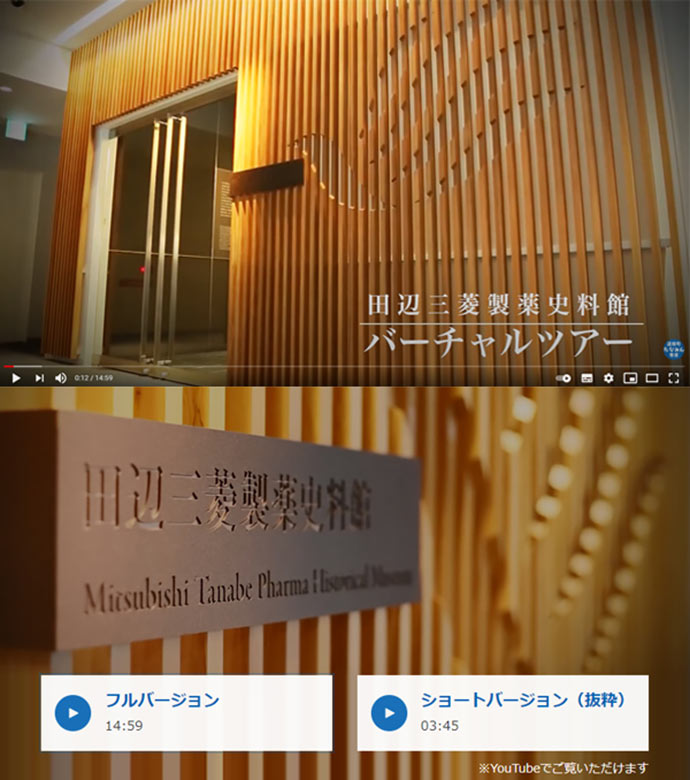
Tanabe Pharma Historical Museum
Certified by This is MECENAT 2026, the Association for Corporate Support of the Arts
In July 2026, the operation of this museum was certified under the “This is MECENAT 2026” certification system for MECENAT activities (promoting social creativity through arts and culture) implemented by corporations and corporate foundations under the Association for Corporate Support of the Arts. This is the seventh consecutive year of certification since 2020.
Note: “This is MECENAT” is a system for promoting social creativity through arts and culture by certifying various MECENAT activities and shining light on each of them.

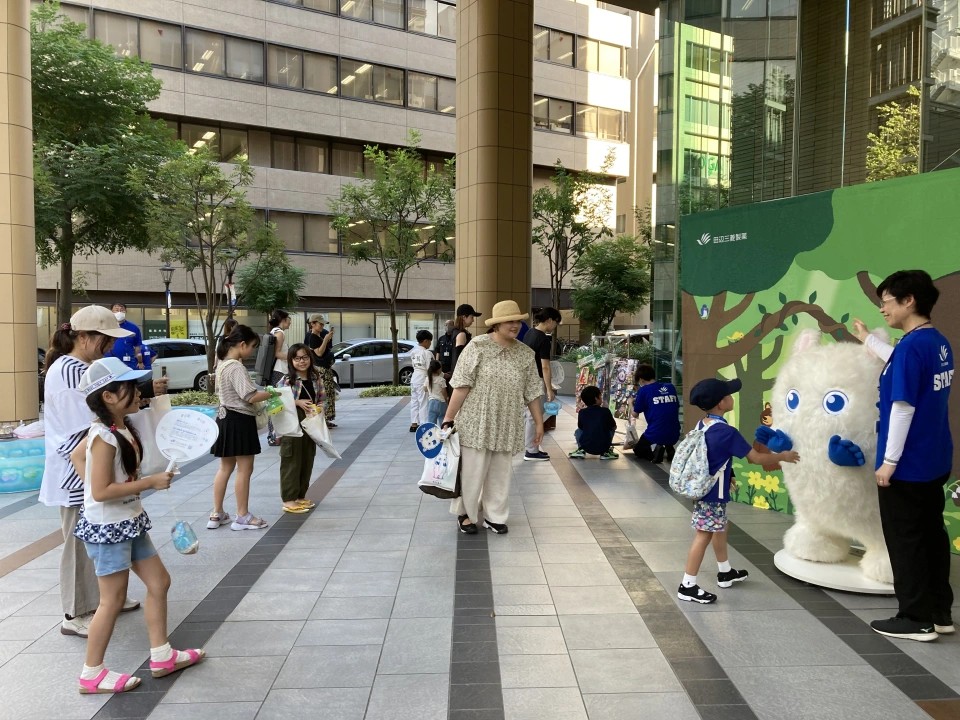
The Namboku Jizo Bosatsu (Bodhisattva) is enshrined in a temple in a public space on the grounds of our headquarters. On August 22, 2025, we held a Namboku Jizoson Jizobon* in the public space outside the first floor of the building. Jizobon is a traditional event at which we pray for the health of children. This marked the fourth time we had held it. Around 130 people visited for Jizobon events thereafter, including children from local daycare centers, kindergartens, and elementary schools, their guardians, and other local people. Some employees also took part with their children.
On the day of the event, we arranged for some entertainment for local residents to take place after priests had chanted some Sutras, and prayed for our children to grow up strong and healthy. The children in attendance received Tanamin fans and gifts of sweets and enjoyed games such as ring toss and yo-yo fishing. There were a wide variety of activities on offer, including photo opportunities with Tanamin and bubble blowing with the staff.
Despite the heat, the cheerful children and the local residents who came to pray to the Jizo Bosatsu all took part, bringing a fun summer atmosphere to our headquarters.
- Jizobon: Refers to the festival days for Jizo Bosatsu, which occur around the 23rd and 24th of August. Jizobon is a traditional event that is primarily a feature in the Kansai region. People pray to the Jizo Bosatsu, who is said to be guardian deity of children, in the hope that their children will be happy and healthy. They offer gifts to the Jizo Bosatsu and enjoy playing games and eating sweet treats together.
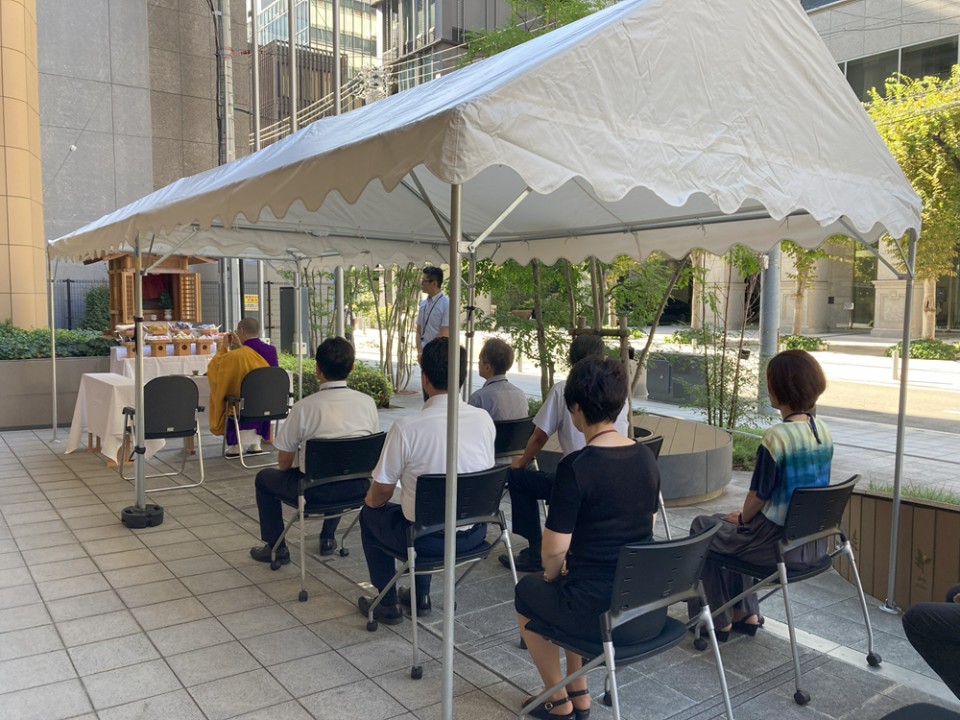
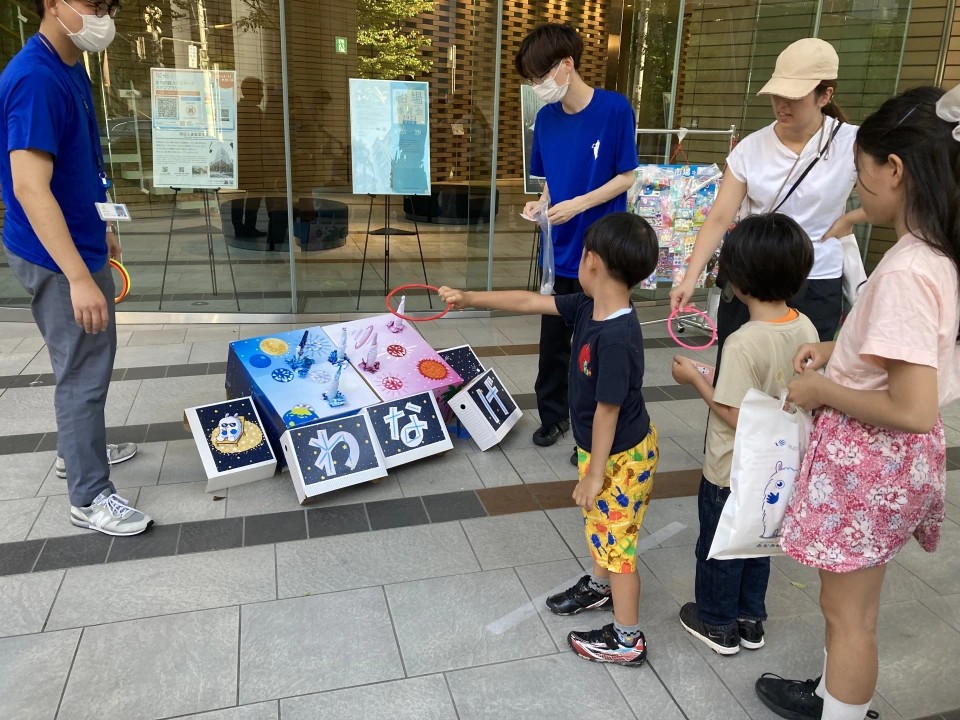
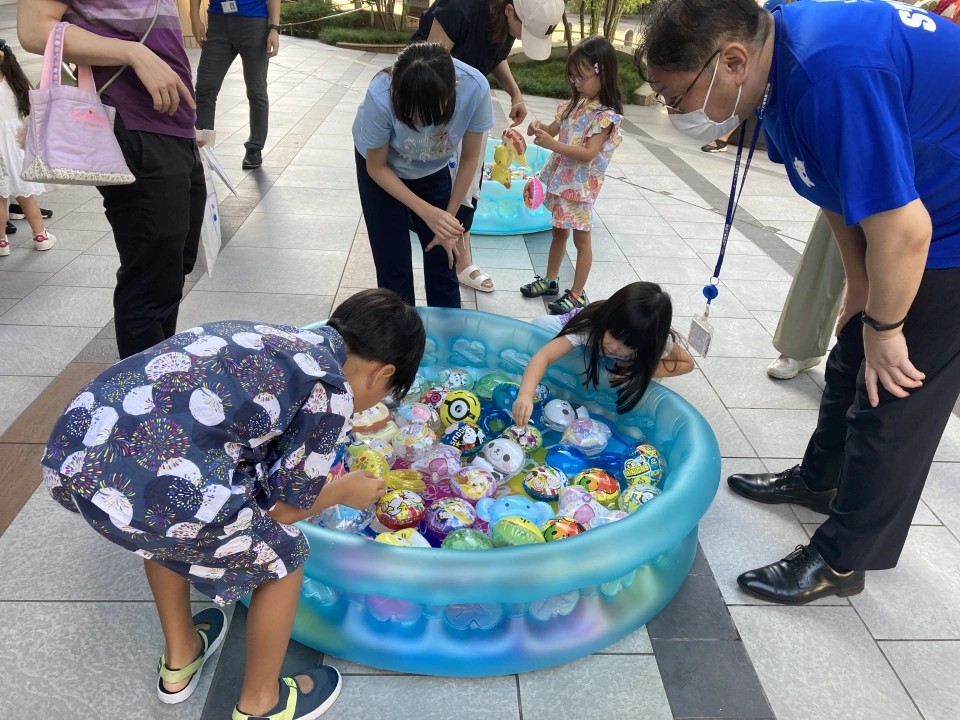
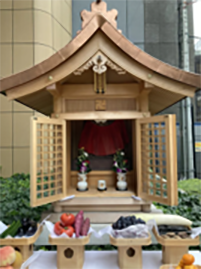
Namboku Jizo Bosatsu
This stone Jizo was dug out of the earth at a point to the south-west of the current headquarters building in 1825 (the original site of the storehouse belonging to the third generation Kihei Konishi) and given to Tanabe Pharmaceuticals by the Konishi family in 1947. It has been worshipped as the Namboku Jizo Bosatsu ever since Namboku Mizuno (1760–1834), a renowned physiognomist, designated the excavated statue a Jizo. In 1957, it was moved to the Osaka factory (Kajima office) when the Company headquarters was renovated, and then moved back when the Kajima office closed in October 2021.
- 拡大
- A temple in a public space
The Company is contributing to regional revitalization through the Historical Museum and the sponsorship of events in cooperation with regional organizations.
In Doshomachi, where the Company has its headquarters, the Shinno Festival (a pharmaceutical festival) is held each year on November 22 and 23. The festival is operated and implemented by YAKUSOKO, an organization mainly established by pharmaceutical companies in Doshomachi. The Company has contributed to the festival as a member of YAKUSOKO for many years.
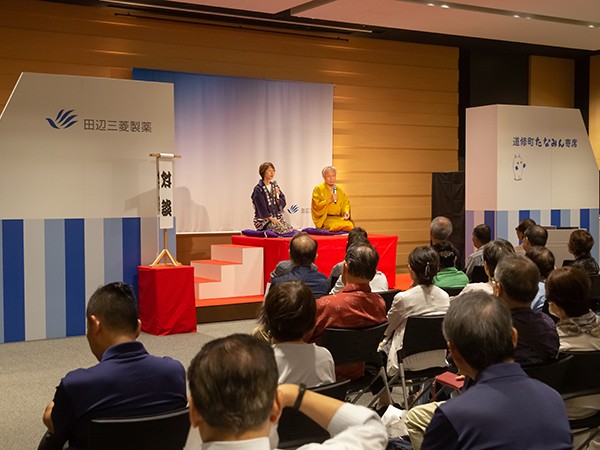
Since fiscal 2017, we have hosted the Tanamin Storytelling Theater twice a year, named after the Company’s character Tanamin. Through rakugo, which is a traditional form of entertainment that is highly popular in Osaka, and lectures about the culture of the time, we are providing opportunities for people to become familiar with the history and culture of Osaka, and these initiatives have been well received.
In honor of Expo 2025, Osaka, Kansai, Japan, the event held on June 28, 2025, centered on the theme, “Touring Expo with Rakugo.” With Expo bringing travelers from all over the world to Osaka, and large numbers of people also visiting Doshomachi, we offered a relay-style rakugo performance themed on travel and held a lecture and discussion on this theme.
(Doshomachi Tanamin Storytelling Theater https://www.tanamin-yose.net/) (Japanese language only)
- 拡大
- The “Rakugo journey” discussion after the Rakugo session
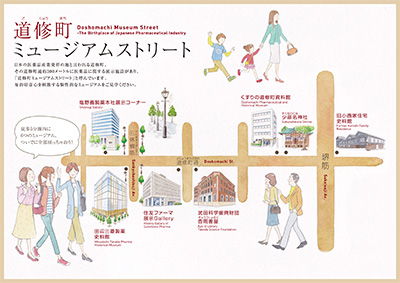
As an everyday initiative, in cooperation with other Doshomachi exhibition facilities related to pharmaceuticals, we are rolling out a publicity activity under the name Doshomachi Museum Street (Japanese language only). The community will work to provide information to encourage large numbers of people to visit Doshomachi, which is the birthplace of Japan’s pharmaceutical industry.
The Company will continue to contribute more and more to local communities.
- 拡大
- Doshomachi Museum Street Map
The Yoshitomi Office (in Fukuoka Prefecture) held its “Yoshitomi Summer Festival” on August 23, 2025, welcoming around 2,300 people (thought to be a record high), including local residents, distinguished guests, employees, and their families. Visitors enjoyed a face-changing show, a rock-paper-and-scissors tournament, and Kagura performances onstage. The annual fireworks were met with cheers and applause, bringing the festival to a very successful end.
This event has grown to become a major festival, and is now a historic event that symbolizes the town of Yoshitomi.
Going forward, we will continue to value the bonds that we create with the local community through the summer festival, and will treasure the relationships that we build with them.
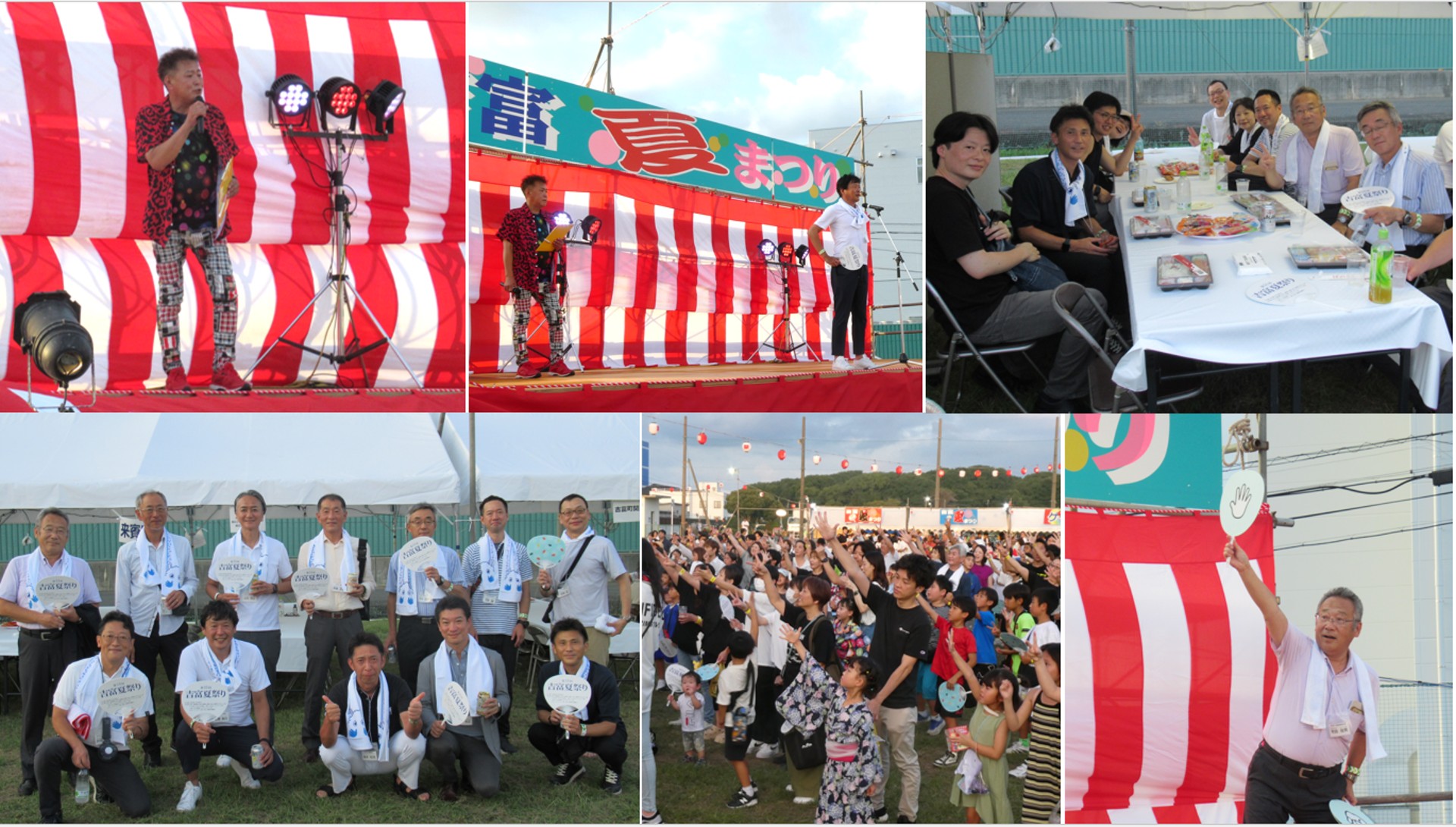
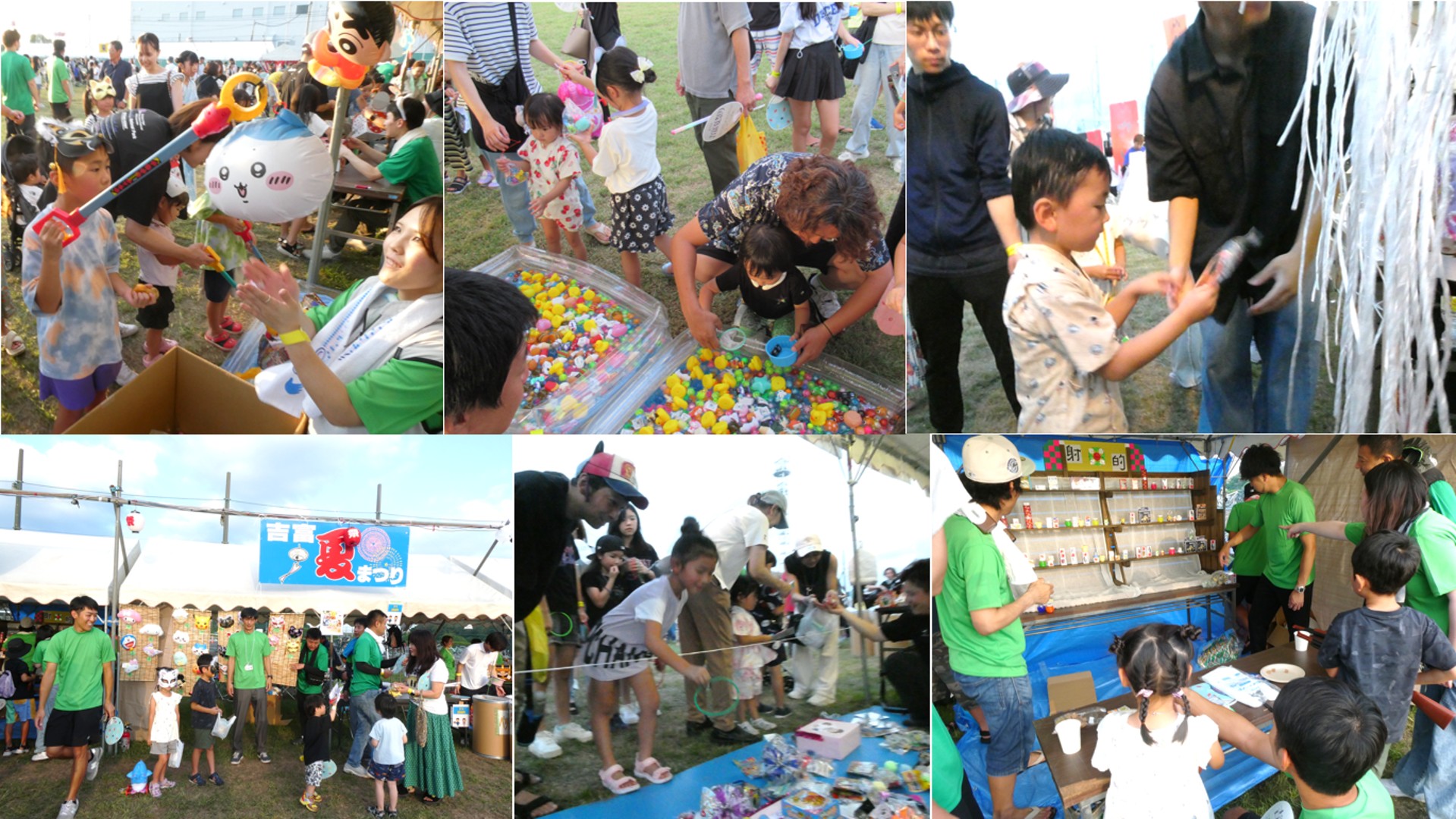
The Yoshitomi summer festival
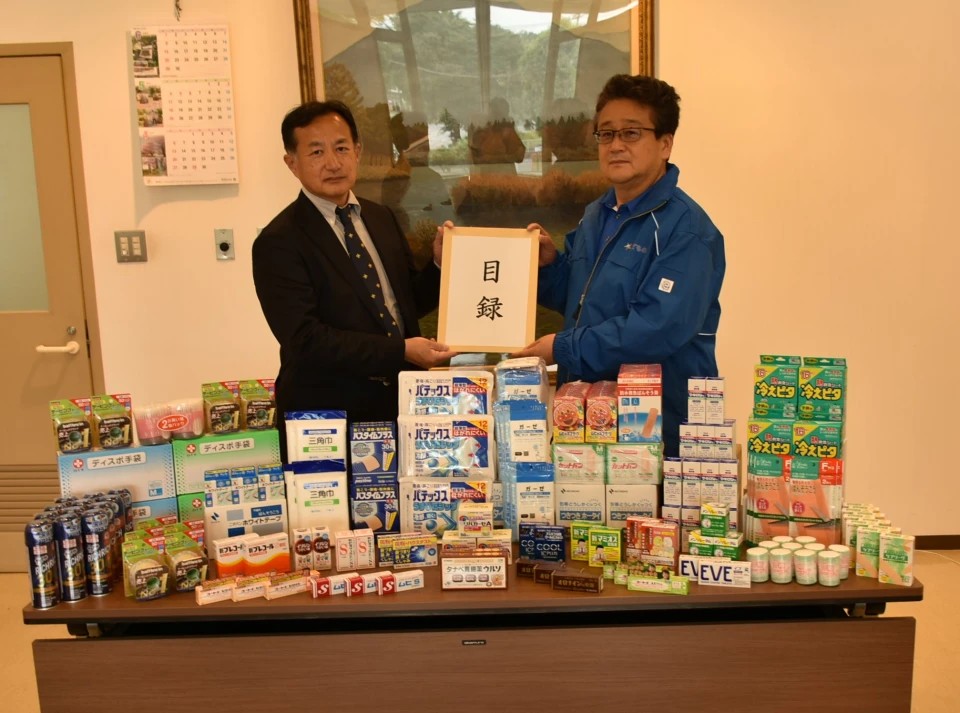
As part of its corporate citizenship activities, the Company has donated OTC medications and other items to Kodomo-no-Kuni (Children’s Land) in Yokohama for use by visitors every year since 1971. On June 10, 2025, we held a presentation ceremony at Kodomo-no-Kuni to hand over donations for fiscal 2025. Kodomo-no-Kuni is a natural amusement park that utilizes a thickly wooded area of approximately 100 hectares in the Tama Hills area of Yokohama City. It was opened in 1965 in commemoration of the marriage of His Imperial Highness (now Emperor Emeritus) in 1959. For more than 50 consecutive years since 1971, the Company has contributed OTC medicines and made other contributions to Kodomo-no-Kuni.
On the day of the ceremony, we handed over a list of the items the Company was donating, together with OTC medications and other items such as topical medications for cuts, scrapes, and insect bites, adhesive bandages with a character theme, bandages, and medicated pain-relief patches. The park staff expressed their gratitude for the support that the Company has continued to provide through its activities for more than half a century, commenting, “These items will be of great use to us when we treat children in our first-aid room.”
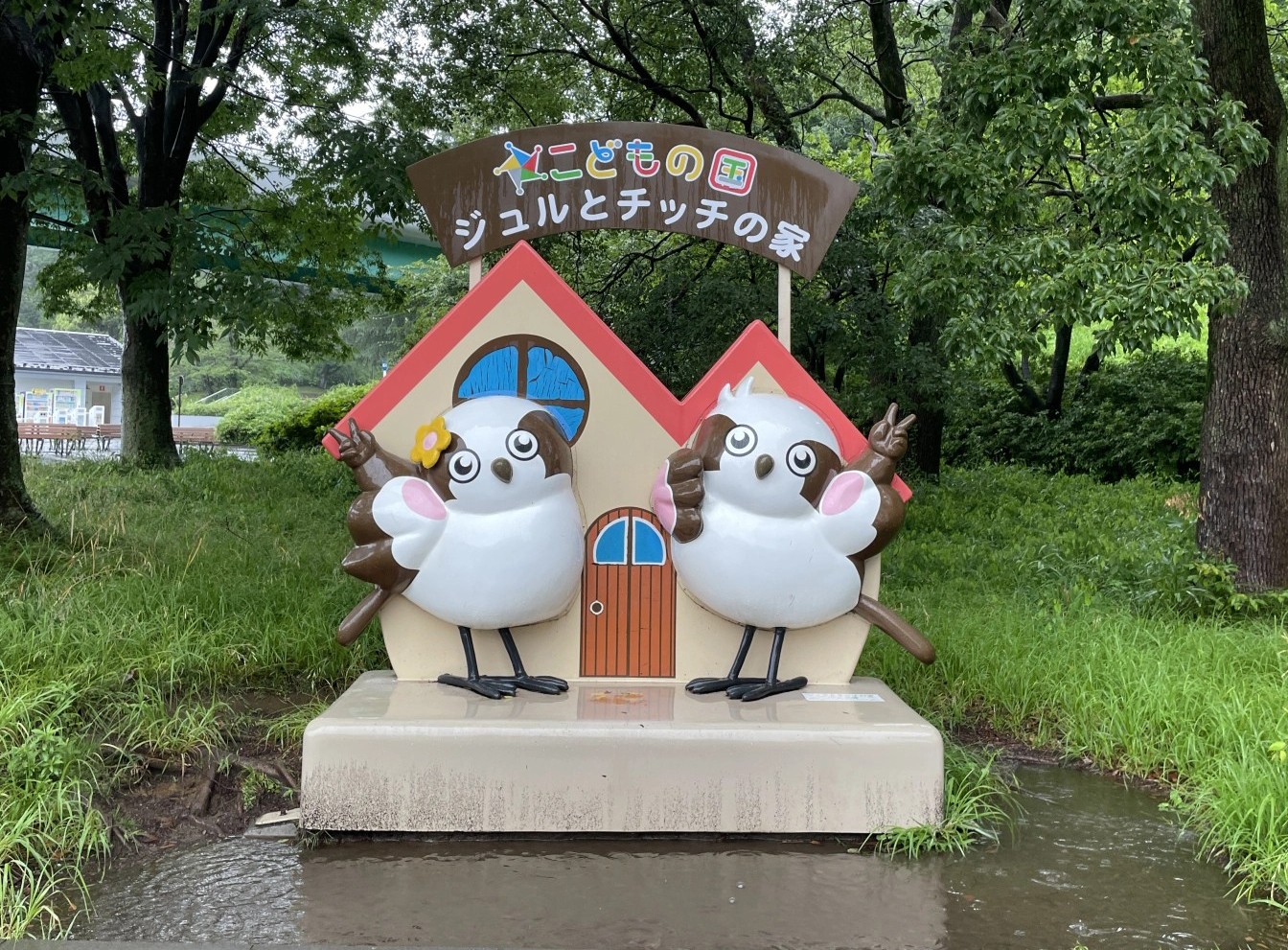
To commemorate the 50th anniversary of the founding of Kodomo-no-Kuni, the Company donated the home of bird characters Juru and Chichi, which has become a favorite spot for visitors to take commemorative photographs.
- 拡大
- Donation of OTC medicines, etc.
- 拡大
- “Juru & Chichi’s House,” donated by our company, has become a popular photo spot
In September 2015, a Doshomachi development association known as the Doshomachi Club was established. The Company serves as the executive office of the association. The Doshomachi Development Association is engaged in a variety of initiatives aimed at achieving the SDGs. The objectives of this organization are to maintain and develop the cityscape, centered on the Doshomachi Street, to conduct activities to foster trust and mutual cooperation among the people who live and work in the area, and to build a dynamic community that brings together people who are interested in health. On that basis, the organization seeks to link the history and traditions of the Doshomachi pharmaceutical district to the future.
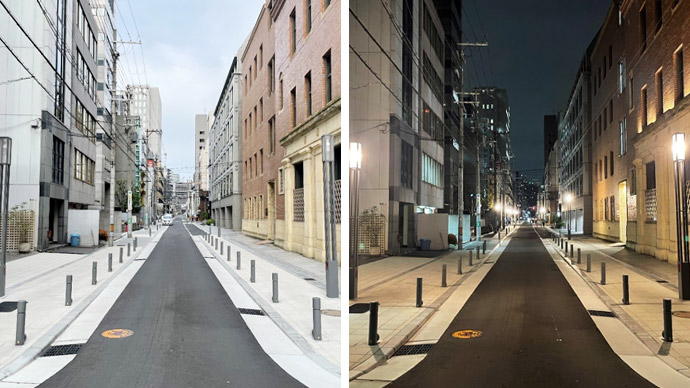
The Doshomachi Street Revitalization Project seeks to create attractive and people-friendly towns through public-private partnerships, and is working on a utility pole removal and road maintenance project in an area of Doshomachi that meets the demands of local landowners and relevant parties. A sidewalk was created in May 2022, creating an all-new nighttime view. By 2027, we plan to complete the removal of the utility poles along with moving power lines underground.
In June 2022, Osaka City approved the Doshomachi Landscape Agreement system. We will work to enhance the attractiveness of the town based on rules formulated together with the landowners along Doshomachi 2- and 3-chome.
- 拡大
- Road Maintenance from the Doshomachi Street Revitalization Project
In an effort to conduct activities that foster trust and mutual cooperation among the people who live and work in the area, we are promoting a rooftop greening project based on potted grape cultivation, which is also an environmental measure, with a great deal of wine being made.
We also focus on offering information on the region, offering the history of Doshomachi and its buildings through a website, and introducing events through social networking services (Instagram).
Doshomachi development association (known as the Doshomachi Club)
(https://doshomachi-club.org/) (Japanese language only)
Instagram https://www.instagram.com/doshomachi_club/?hl=ja
We will continue to cooperate in activities to create dynamic towns that meet local needs.
Also, we have joined the Semba Club, the Sankyubashisuji Trade Association, and other organizations, and participated and cooperated in various local revitalization activities.
A variety of industries have long prospered in the Senba area, including pharmaceuticals in Doshomachi, finance in Kitahama, and textiles in Honmachi, and there are many historic buildings. The Company also takes part in Living Architecture Museum Festival Osaka (Ikefes Osaka), which is held every fall. (https://ikenchiku.jp/) (Japanese language only)
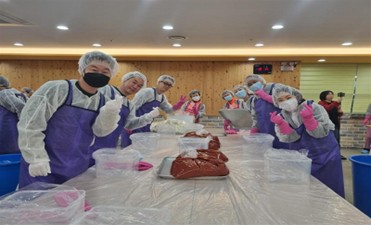
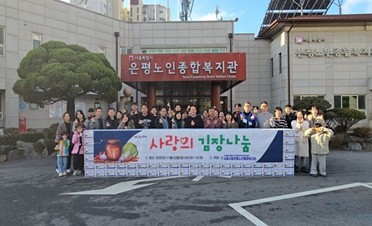
In November 2025, four employees from Mitsubishi Tanabe Pharma Korea (now: Tanabe Pharma Korea) participated in the Volunteer Kimchi-Making Event organized by the Korea Japan Pharmaceutical Association (KJPA). This activity allowed Japanese expatriates and their families to experience the traditional Korean cultural practice of kimchi making. The kimchi prepared during the event was donated to 600 households of elderly and socially vulnerable people in the local community. This was a valuable experience that offered participants a greater understanding of traditional Korean culture and deepened ties with local people.
Note: Information on this page pertains to activities and results for fiscal 2025.