The Group positions the health and safety of each of its employees as a key foundation for management and engages in health and productivity management. Based on the identification and analysis of health issues, we have defined priority themes under the two pillars of promoting healthy and flexible workstyles and promoting wellness and are moving forward with systematic measures that encompass everything from prevention and response to return-to-work support.
Through these efforts, we hope to improve employees’ wellbeing and achieve sustainable organizational growth.
Based on its Health and Productivity Management Policy, the Group is endeavoring to create workplaces where employees can work with vitality, maintain a positive work-life balance, and fully demonstrate their capabilities.
We formulated the Health and Productivity Management Principles in October 2025, and are communicating it based on the principles it defines.
The Group has defined the following health policy, which it is working to implement. With regard to initiatives for health management, the Group cooperates with the health insurance association to hold an annual health management promotion committee meeting at which labor health management coordinators, health management officers, health staff, and representatives of insured individuals discuss the background, challenges, and achievements of health management efforts, and exchange opinions.
Health and Productivity Management Policy
- To deliver hopeful choices to all those confronting illness, we will first and foremost ensure that our own employees remain healthy.
- We will foster a work environment where every employee can fully demonstrate their abilities and work with vitality.
Based on the above policy, we are moving forward with “promoting wellness” and “promoting workstyles” as the two pillars of our strategic health and productivity management initiatives. Through these efforts, we aim to enhance the well-being of employees and improve organizational vitality.
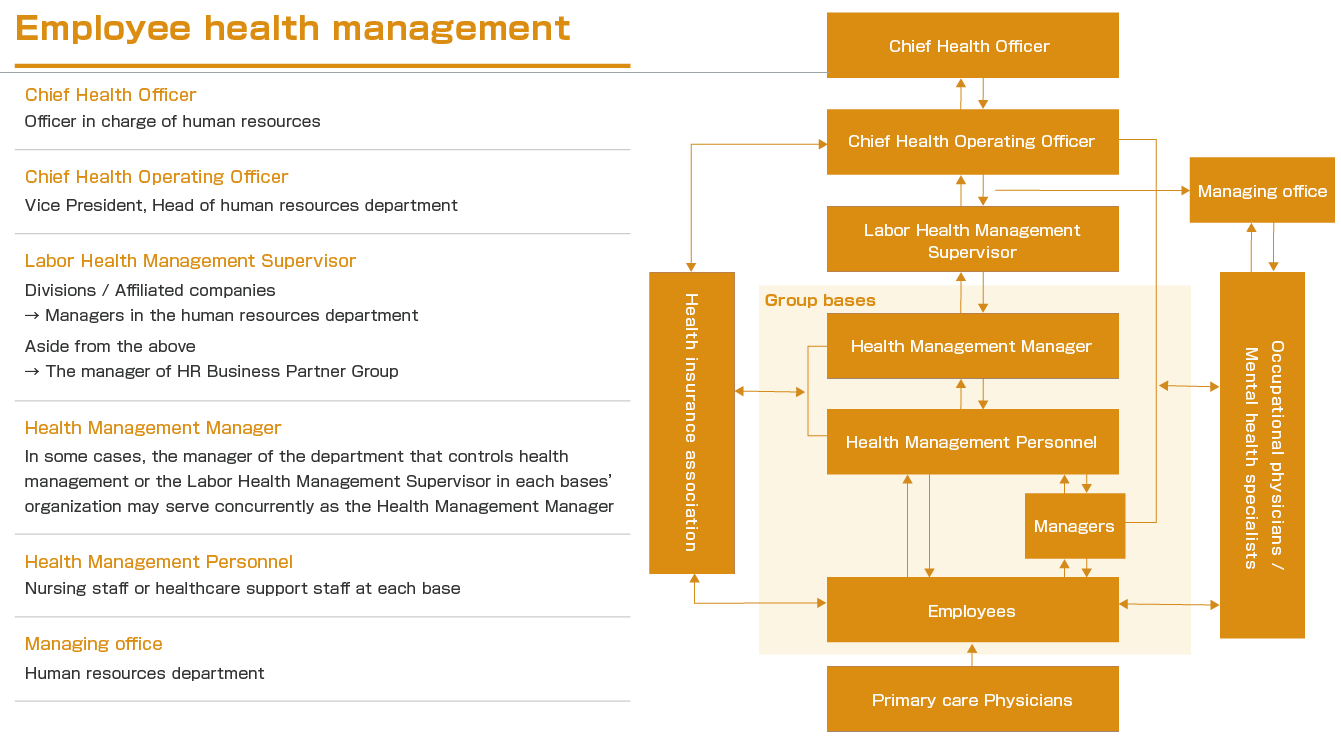
The Group promotes health and productivity throughout the company, and is constructing systems in cooperation with the health insurance association.
The Group holds an annual health management promotion committee meeting at which labor health management coordinators, health management officers, health staff, and workers’ representatives discuss the background, challenges, and achievements of health management efforts, and exchange opinions. Based on these discussions, we promote each health and productivity management measure in an ongoing manner.
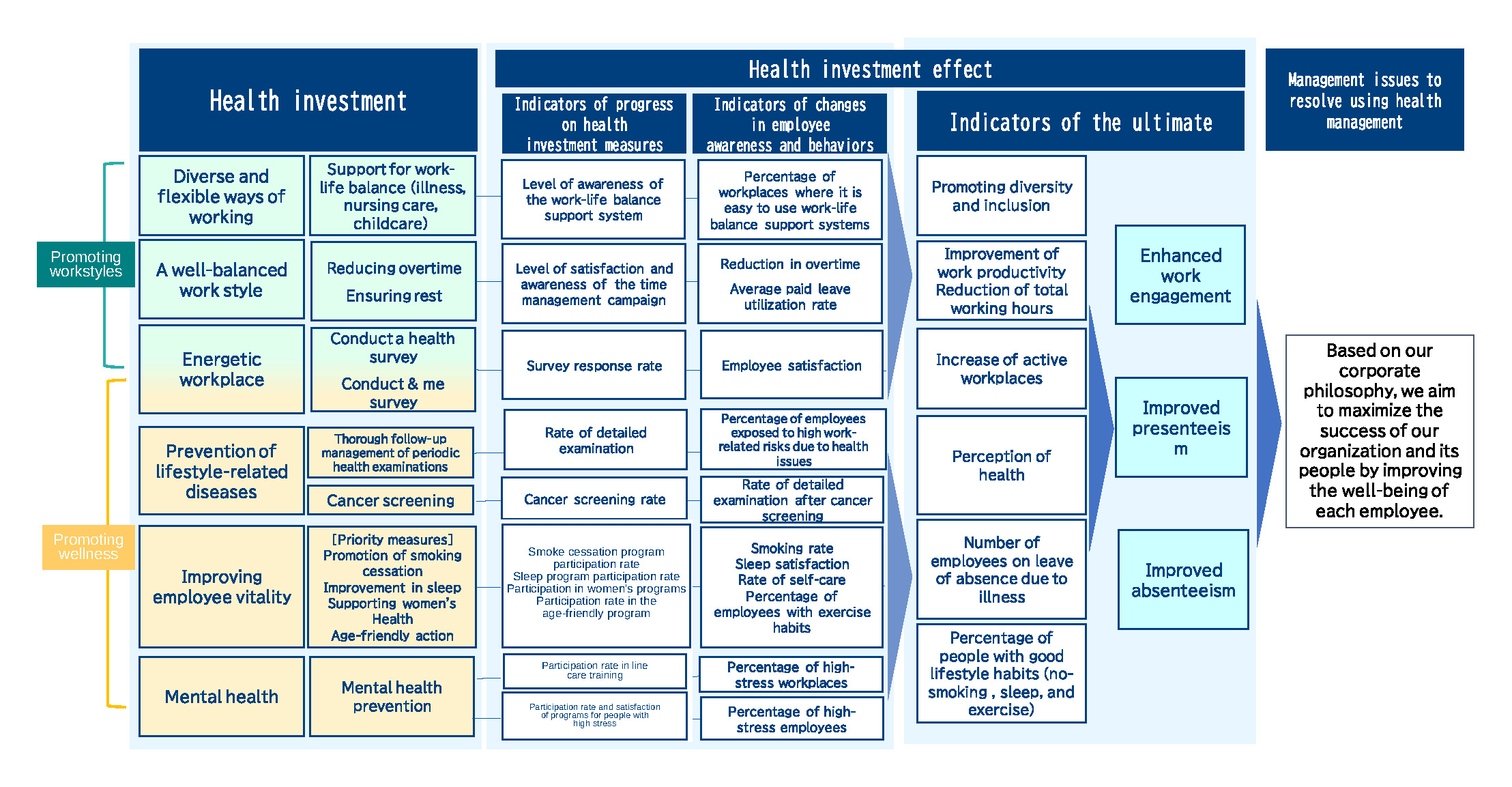
The Group formulates strategies around the pillars of promoting wellness and promoting workstyles in response to health-related issues and is implementing a variety of initiatives. The overall strategy is shown in the strategy map below. The content and results of specific activities are detailed in the “Health White Paper.”
Strategy Map
-
 Strategy Map
(724KB)
The Group authors the Well-being Report as part of its efforts to promote health and productivity management.
We leverage data held by the Company and the health insurance association on health and work styles to monitor and visualize the health and health issues of employees, while evaluating the effectiveness of various health initiatives.
The Group views the prevention of long working hours and the taking of appropriate leave as important measures to help maintain employees’ mental and physical health and promote a good work-life balance.
Employee health is an important platform in supporting the sustainable growth of a business. Even in an era of dramatic change, we believe that enabling each person to work with vitality leads to innovation and improved engagement, and are promoting initiatives in that regard.
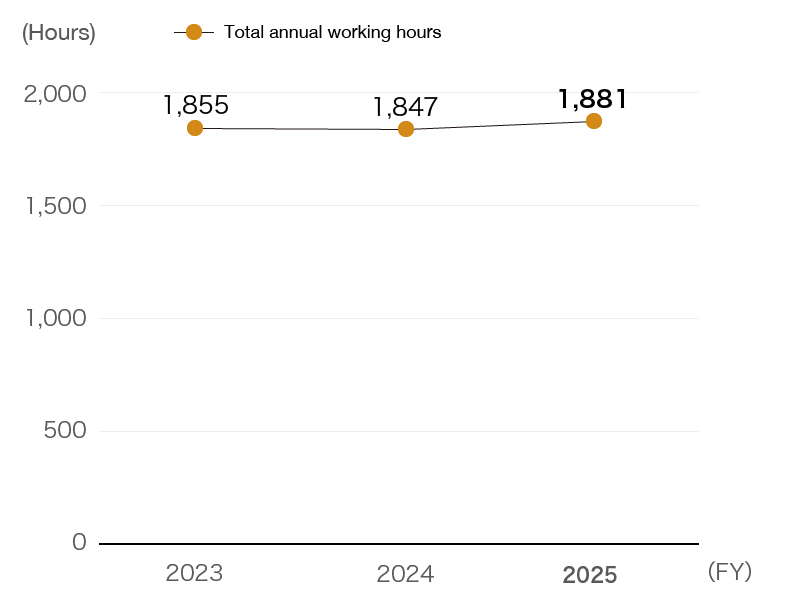
Centering our efforts around the “Two TMs,” the whole company is working to bring total annual working hours to no more than 1,850 hours per employee.
-
Reduce overtime work (Time Management)
We will, in principle, prohibit working and sending e-mails at night, early in the morning, and on holidays, and set a fixed time and day once a week for every employee to leave work on time (Friday is recommended). We will check overtime working conditions with labor and management at each base. -
Ensure proper rest (Time Making)
To encourage employees to take annual paid leave, we will establish annual paid leave days taken simultaneously by all employees (two days a year), set aside days to encourage employees to take paid leave (five days a year), and individually follow up with employees who have not taken paid leave.
- Ratio of employees working long hours (overtime in excess of 360 hours per year): 6.2%
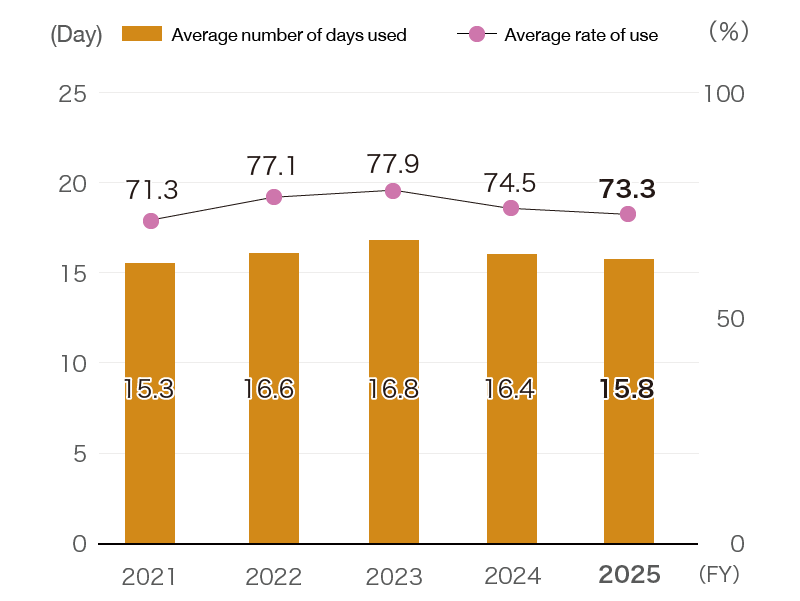
- Paid leave utilization rate: 73.3%
- Total annual hours worked: 1,881 hours
Paid leave utilization rate
Total annual hours worked
We are working to ensure all employees undergo periodic health checkups, and in fiscal 2025 maintained a participation rate of 100%. Based on the results of health checkups, we encourage those employees requiring in-depth examinations to accept them and achieved a participation rate of 90.5% in fiscal 2025.
The Company uses these results to promote initiatives to prevent lifestyle diseases, placing particular emphasis on measures against high blood pressure.
Specifically, the Company has been implementing the Risk-Stratified Blood Pressure Management Program since fiscal 2017. Under this program, we use medical histories and the results of health checkups to assess the risk of employees developing cerebrovascular or cardiovascular disorders over the next ten years, and divide employees into three categories: high-risk, medium-risk, and low-risk. Based on that, we check the status of employees’ control of their blood pressure and encourage them to make improvements to their lifestyle habits.
For those deemed to be at high risk, we conduct surveys to assess the current state of their treatment and then hold interviews with an industrial physician if required, in an effort to prevent high blood pressure from becoming more severe.
The fiscal 2025 survey response rate was 92.5%, of which 20.8% received health guidance in consultations with an industrial physician.
We held blood pressure seminars led by an industrial physician assigned to company headquarters for those employees with a medium or low risk of developing these conditions, achieving a participation rate of 95.8%. In a survey of participants, approximately 99% of people responded that they understood the importance of controlling their blood pressure, and there was a notable increase in awareness of weight management, exercise, and lower salt intake.
Additionally, in fiscal 2025 we also held online seminars (provided by Asahi Breweries, Ltd.) on responsible drinking, as part of our efforts to address alcohol-related issues. 150 people participated in the live stream on the day of the event, deepening their basic understanding of alcohol through a patch test and quiz-based learning. The seminar has been viewed 221 times via on-demand streaming, with many employees taking part.
We are working to maintain the health of our employees. The Group has held programs to help people quit smoking since fiscal 2017, and our work rules clearly state that smoking is prohibited throughout company facilities and premises, and during working hours.
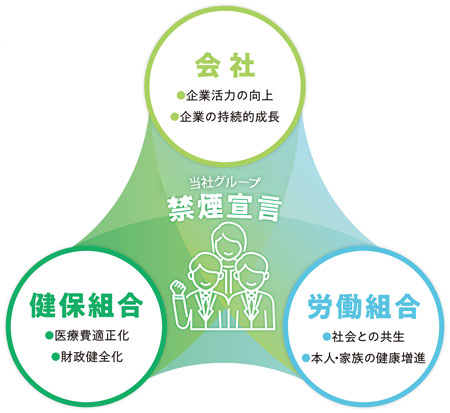
From fiscal 2020, the Company, its health insurance association, and its labor union have worked as one to create a framework to encourage people to stop smoking and are aiming to reduce the smoking rate, with top management from each organization offering messages to encourage people to stop smoking every year on May 31—World No Tobacco Day—with the goal of creating a smoke-free culture.
These initiatives have reduced the smoking rate from 22% at the time they were introduced to 7.9% in fiscal 2025.
Beginning in fiscal 2025, we also introduced the MinChalle program (provided by A10 Lab, Inc.), which uses a habit-forming app to help people stop smoking, and are assisting our employees in their efforts to stop smoking permanently.
Going forward, we will continue to aim for a zero smoking rate and, by leveraging the strengths of each organization, work together throughout the Group to promote stopping smoking.
Smoking rate
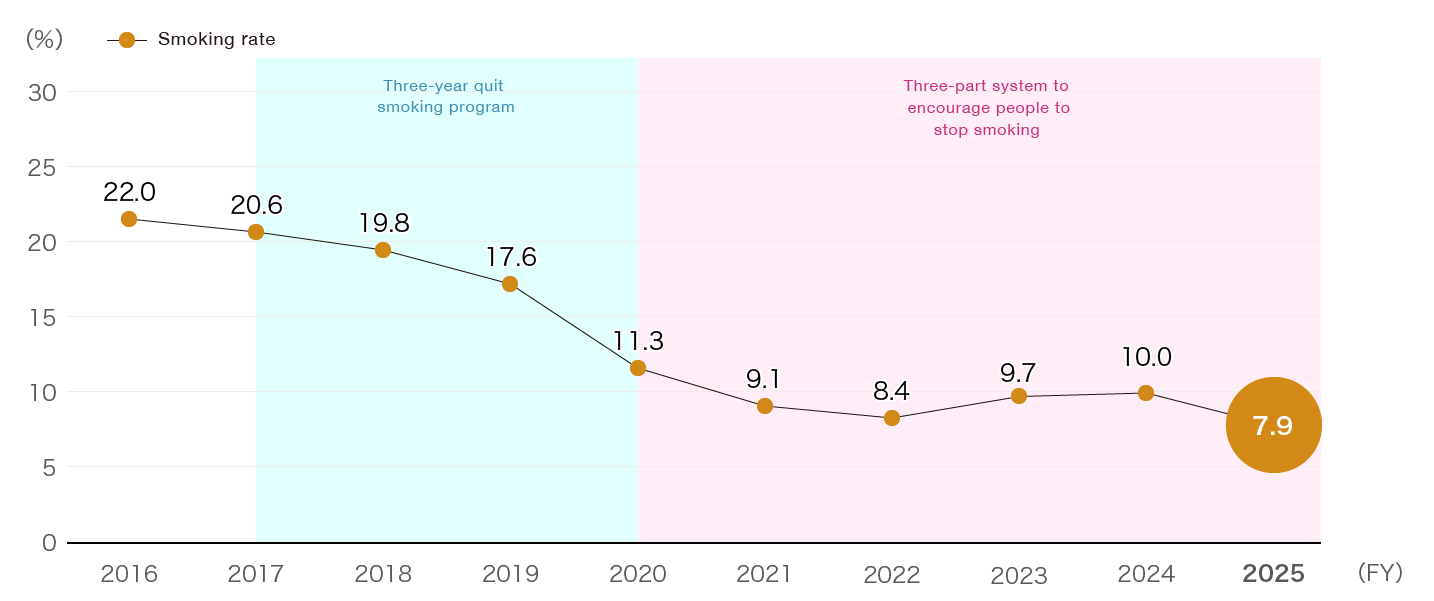
Note: Survey methodology standards were revised starting in fiscal 2023
Based on the results of a health awareness survey of our employees (Health Monitoring for All) the Group found that more employees are unsatisfied with their sleep every year, that there is a correlation between sleep and a person’s subjective health, and that lack of sleep is a significant factor in presenteeism (working with reduced productivity). Based on these findings, we view improving sleep as a priority measure in health and productivity management and are working to improve our employees’ sleep by introducing programs and holding seminars.
From fiscal 2024 to 2025, we implemented the BackTech, Inc. sleep program for those employees who were facing difficulty sleeping and wish to participate. Participants in this program watched seminar videos, visualized their sleep habits, and were offered individual consultations, with the goal of improving their sleep over a three-month period. 74 people participated, with the ratio of people at a high risk of insomnia (those with a score of six or higher on the Athens Insomnia Scale) decreasing from 78.1% before the program to 65.6% afterward. In addition, 46.9% of employees increased the duration of their sleep by 30 minutes or more per day.
We are continuing this program for the fiscal 2025-2026 period. Currently there are 95 participants working to improve their sleep.
The Group conducted an awareness survey of all employees on women’s health in fiscal 2021. The results showed a clear lack of understanding of the effect of women’s health issues on work productivity and illustrated that symptoms and illnesses associated with pregnancy and giving birth can interrupt careers or result in women taking leaves of absence or resigning.
For those reasons, since fiscal 2022 we have introduced measures to support women’s health and promoted the creation of environments that allow women to continue working with peace of mind.
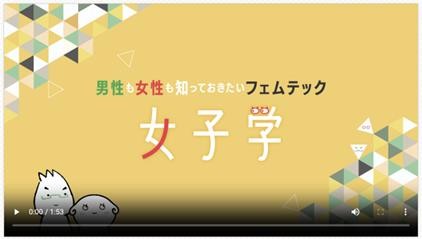
In fiscal 2025, to support the health of working women, we introduced initiatives such as health consultations and provided opportunities for women to undergo AMH (ovarian reserve) testing, offered egg freezing and storage services, and facilitated access to gynecological care. The Company and the health insurance association also cooperated to offer e-learning (“Femtech studies: What every man and woman should know,” provided by Houken Kansai Co., Ltd.).
Additionally, since fiscal 2023, we have offered a fertility support program provided by LIFEM Co., Ltd., titled “Online Consultations with Specialists,” to prevent career interruptions associated with pregnancy and childbirth. This program is used by employees (including men) in their 20s to 40s. In a survey, respondents offered comments such as “I received specialist advice tailored to my circumstances,” and “This has lowered the barrier to fertility treatment for me.”
- 拡大
- E-learning video (“Femtech studies: What every man and woman should know,” provided by Houken Kansai Co., Ltd.)
In a fiscal 2025 health awareness survey of our employees (Health Monitoring for All), approximately 16% of employees stated that they had experienced a fall in the past year. There was a clear trend indicating that the ratio of falls increased with age.
In response, the Group is working to prevent falls as part of its age-friendly initiatives.
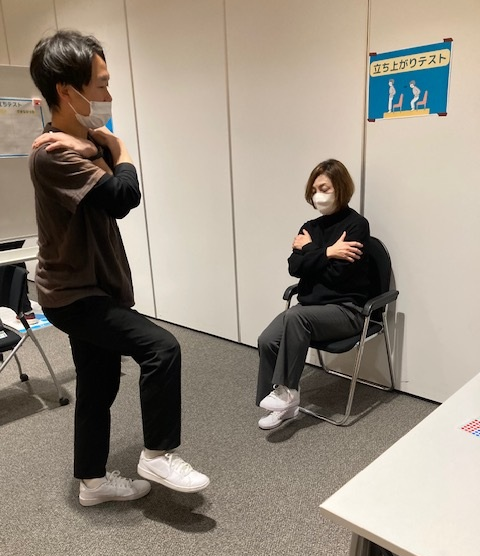
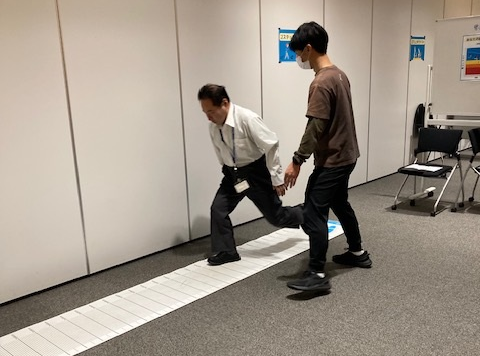
Specifically, we conduct health and physical fitness tests, primarily at large business sites, which are intended to assess, maintain, and improve the physical functioning of our employees. In fiscal 2025, we introduced AI-powered posture analysis in addition to health and physical fitness tests (the two-step test and stand-up test) at the Osaka and Tokyo headquarters.
Physical therapists provide individual feedback based on the predictions this testing provides regarding employees’ future posture, helping them to maintain and improve their physical functions.
- 拡大
- Health and physical fitness testing
The Group is working systematically to organize mental health measures into three stages, “Primary prevention (preventing problems before they arise),” “Secondary prevention (early detection and response),” and “Tertiary prevention (support for returning to work).” The following provides an overview of this system, along with the main initiatives undertaken at each stage.
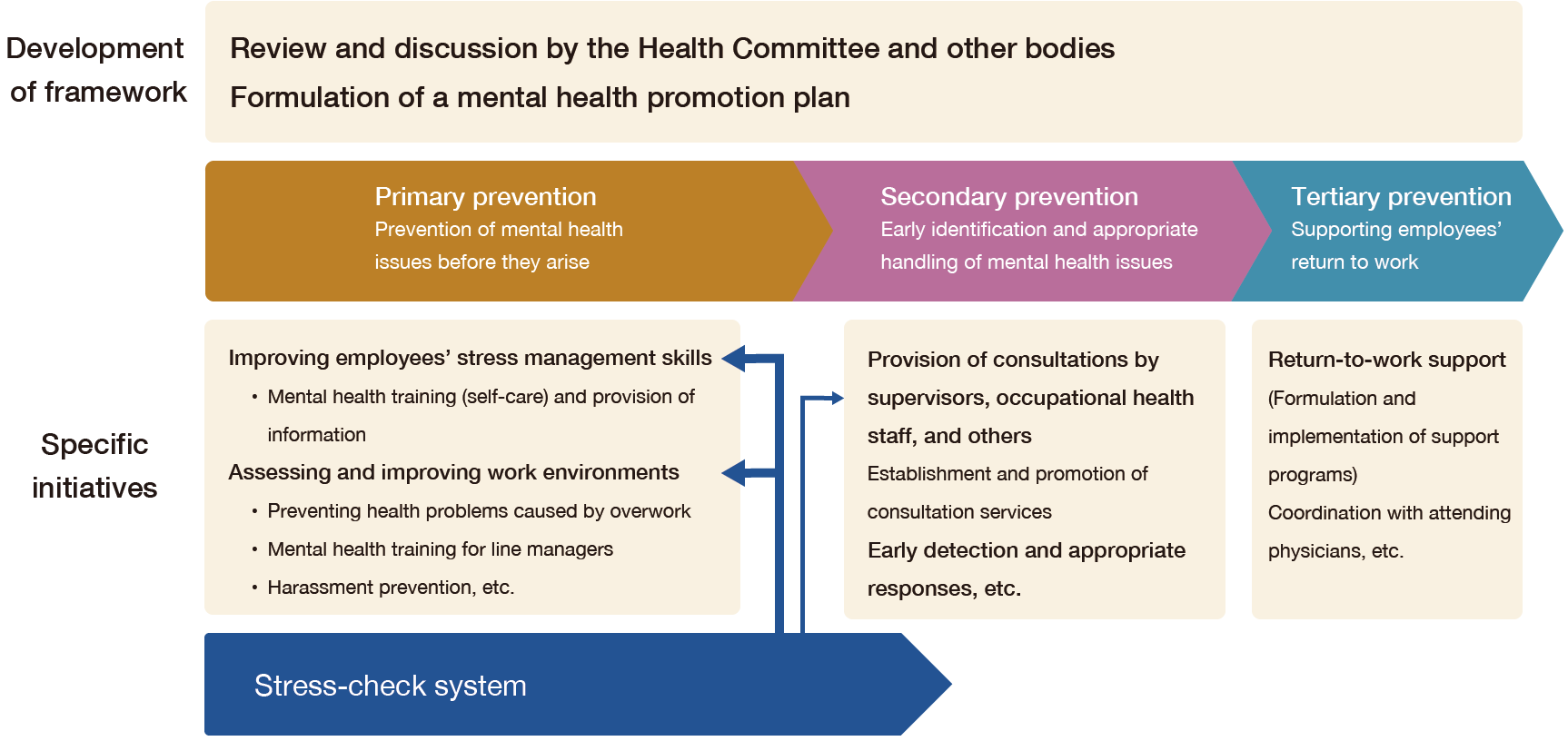
The Group has conducted annual stress checks since fiscal 2010. Participation rates are increasing each year, reaching 97.6% in fiscal 2025.
The results of stress checks are analyzed to improve work environments, and the issues identified are provided as feedback to human resources managers at each department and affiliate in Japan and used in activities for improvement.
Additionally, we conduct e-learning-based training for all employees to promote self-care. In fiscal 2025, this training was themed on “Recognizing your own stress and learning to deal with it appropriately,” and achieved a participation rate of 97.0%.
Mental health training for line managers reached a participation level of 98.7%, themed on the communication skills necessary for line managers, with the goal of teaching participants how to listen to their subordinates effectively. We also hold training for new managers on the theme “Mental health support in practice: Responding to the mental health needs of team members.”
As a result of these stress checks, we have introduced a program provided by BackTech Inc. that addresses mental health by helping employees designated as having high levels of stress and suffering from chronic pain to alleviate their pain.
Since people who have mental health issues often experience increased levels of physical pain, this program offers online consultations with physical therapists to alleviate physical pain (by reducing the number of symptomatic days), while helping to mitigate productivity loss and reduce the risk of depression associated with physical and mental health problems.
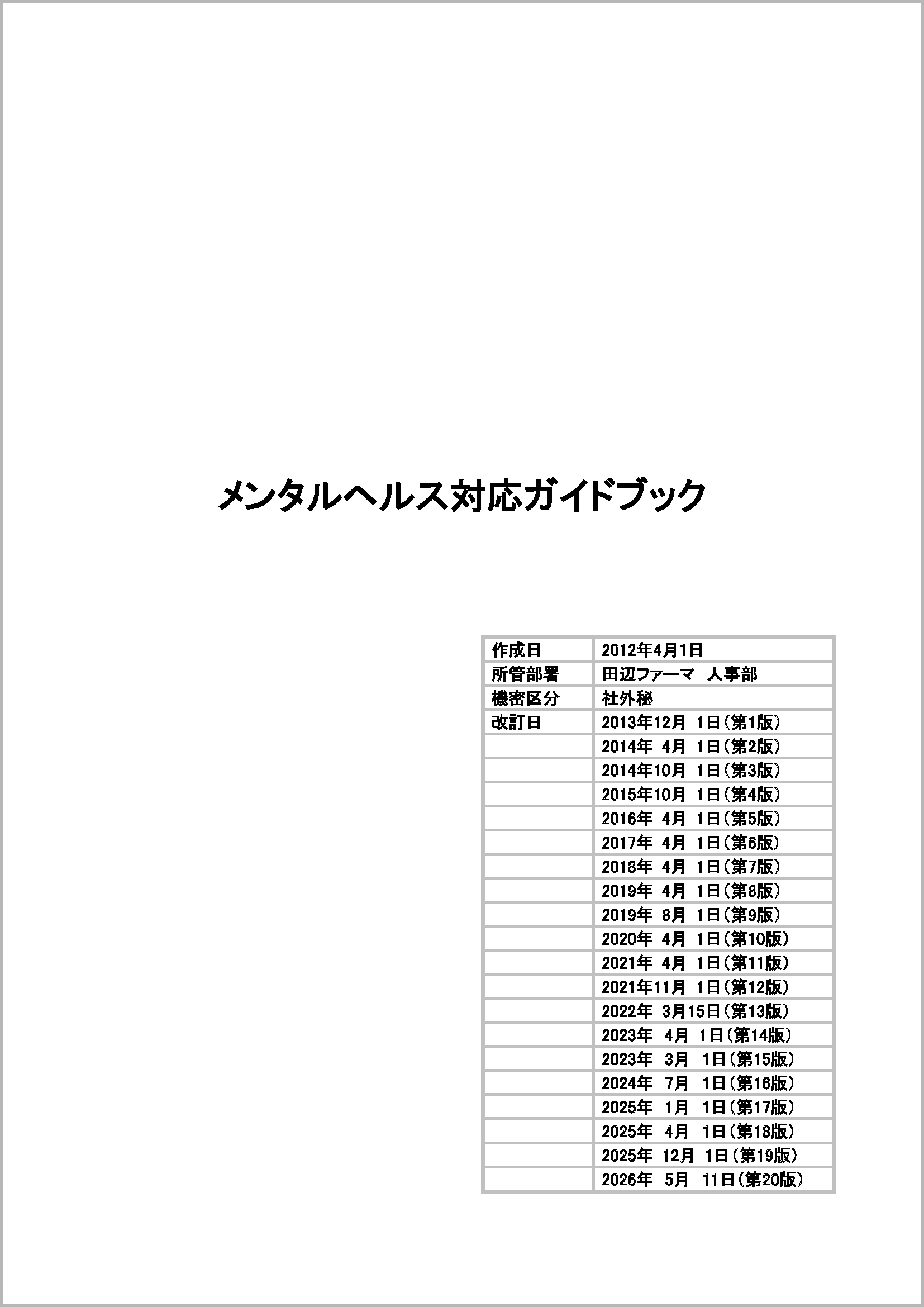
Additionally, we are creating a guidebook that summarizes our internal procedures for dealing with those who are experiencing mental health issues and circulating it primarily to managers. We are also expanding distribution of this guidebook to allow all employees to utilize it.
Accordingly, we are setting up advice services internally and externally to allow employees and their supervisors to seek advice at an early stage and are encouraging people to make use of them.
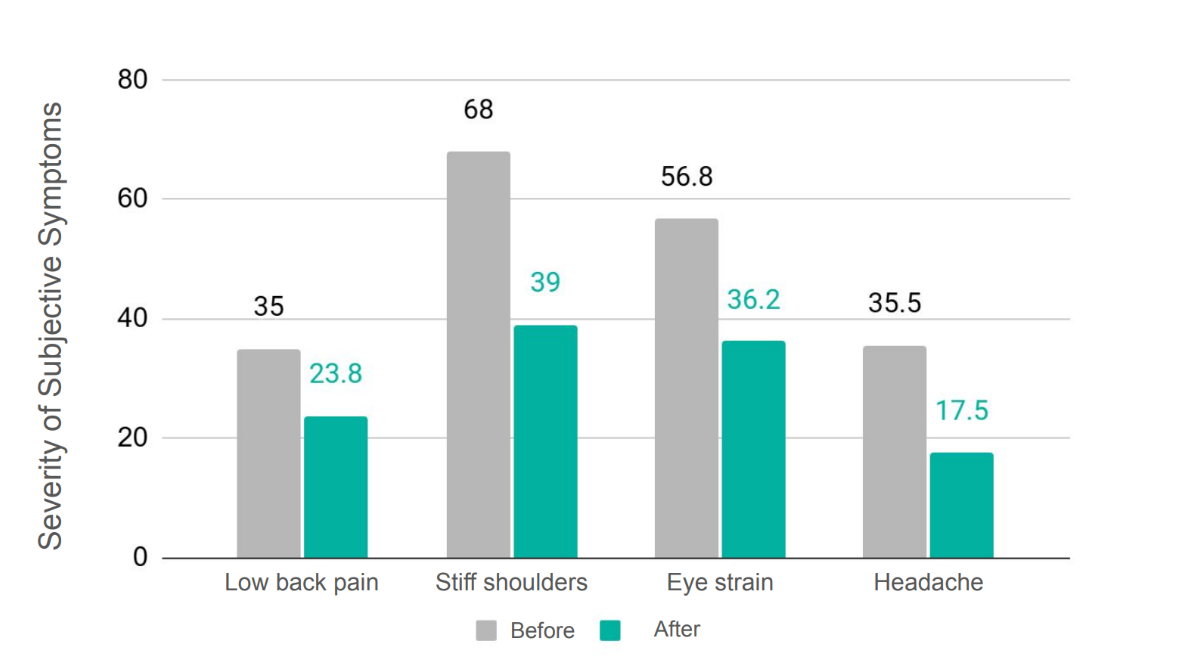
Notes:
- Higher scores indicate more severe symptoms.
- A difference of 10–15 mm or more is considered clinically significant
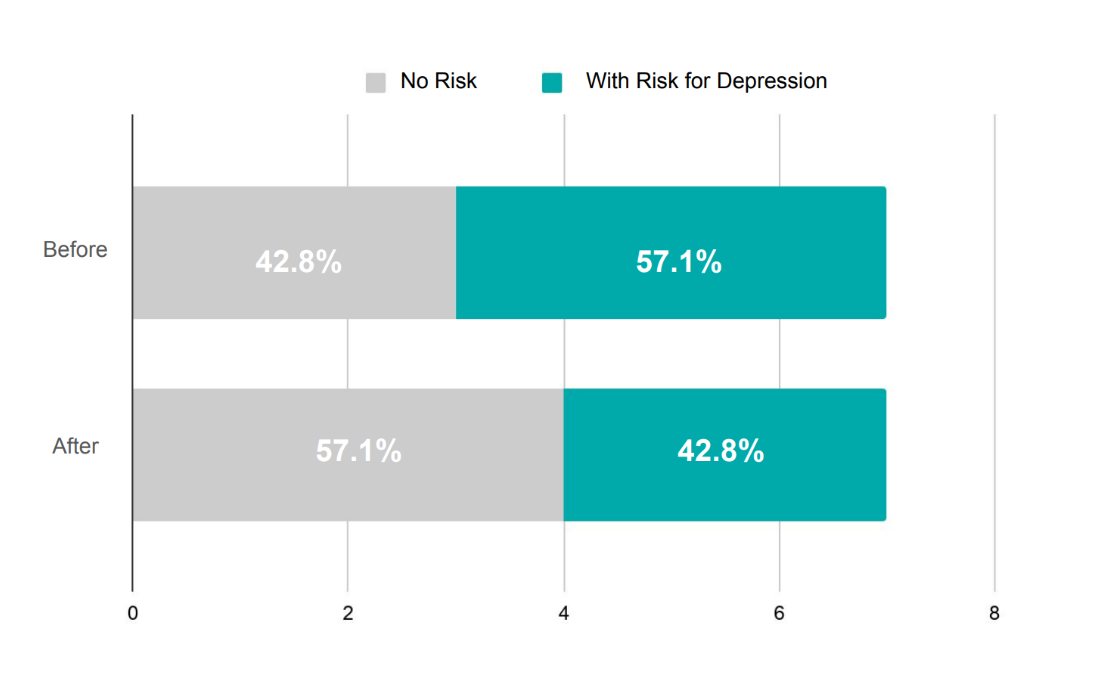
Notes:
- Depressive symptoms were assessed using the K6, which is also used in Japan’s Comprehensive Survey of Living Conditions.
- A score of 5 or higher out of 24 indicates the possibility of depression or anxiety.
Source: BackTech Inc.
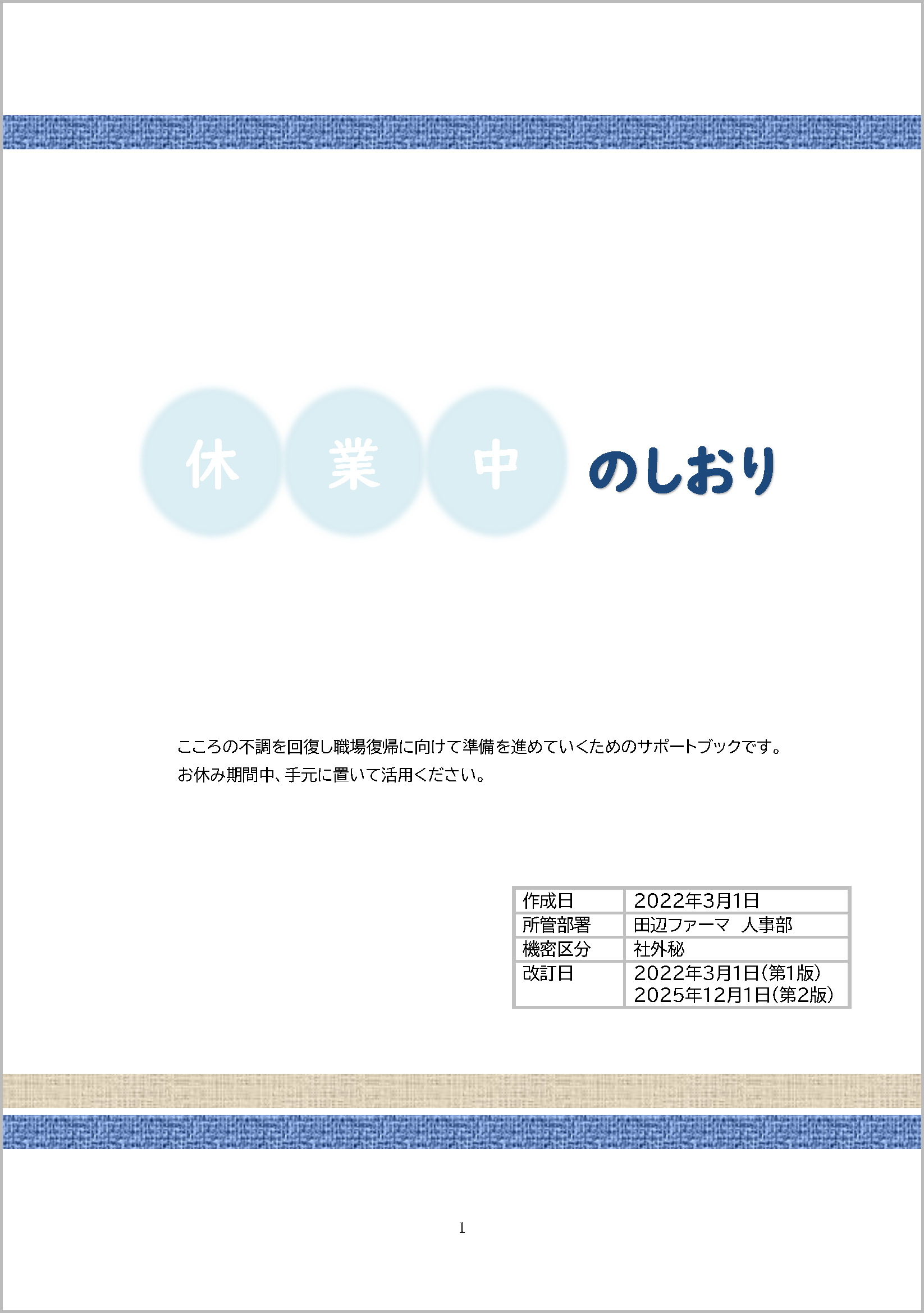
We also distribute the Absence from Work Guide to employees who have taken a leave of absence due to mental difficulties. This guide explains the procedures necessary, how time should be spent during such an absence from work, supporting a smooth return to work.
Occupational health staff, workplace supervisors, and human resources personnel in each department and relevant company cooperate in the process of an employee returning to work, providing support that is tailored to the individual.
The Group promotes collaborative health through cooperation with the health insurance association. The Company and the health insurance association cooperate to encourage employees to participate in a range of health-related initiatives, including promoting smoking cessation under the tripartite framework and increasing participation rates in cancer screenings and specific health guidance.
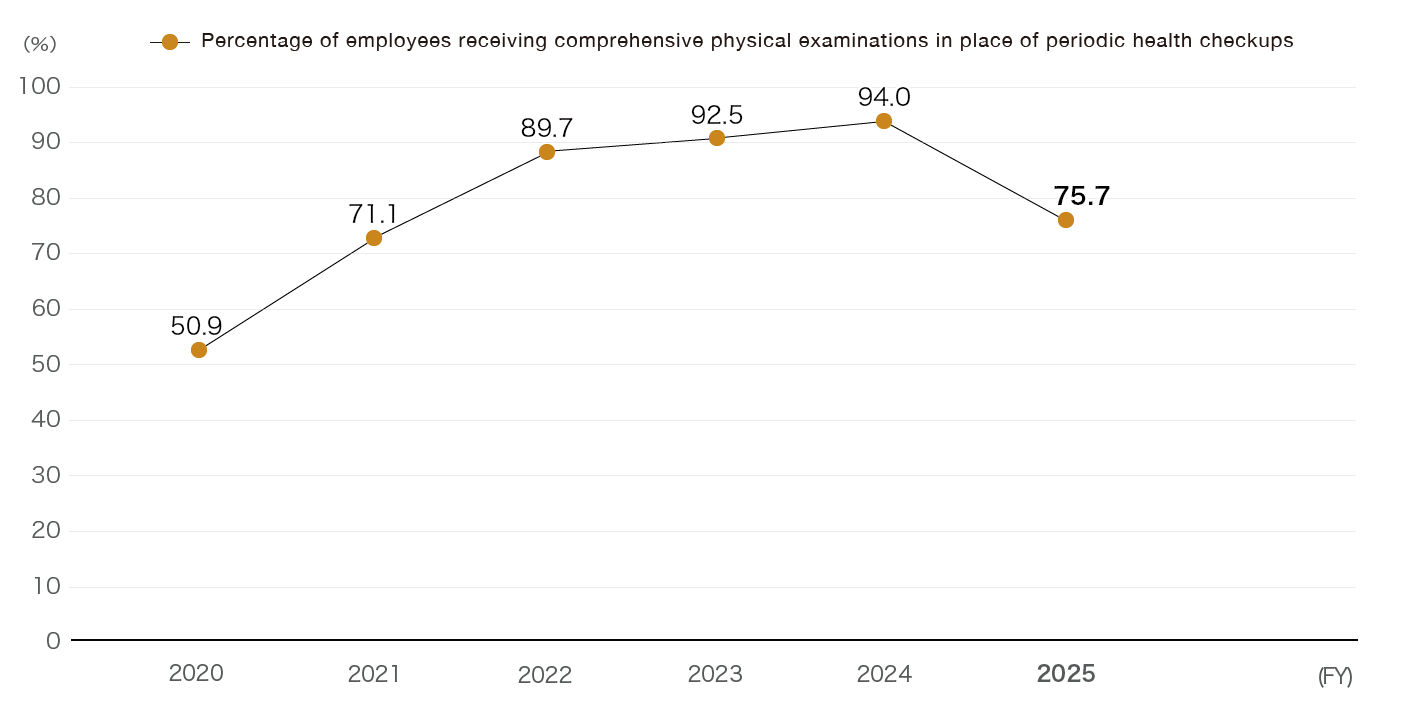
Since fiscal 2018, we have been encouraging employees aged 35 and over to have comprehensive physical examinations instead of periodic health checkups. We hope that substituting the results of comprehensive physical examinations for those of periodic health checks will increase the rate of participation in cancer screening.
As part of our adult cancer education, since fiscal 2023 we have invited specialists from outside the company to give lectures in online cancer seminars for employees.
In fiscal 2025, as part of the outreach lecture program run under the Action Plan for the Promotion of Cancer Control, we held a two-part seminar featuring one lecture on cancer by a physician and one by a cancer survivor. 232 people attended, and the archived recording has been viewed more than 140 times.
In a survey of participants, many people said that the seminar was easy to understand and deepened their knowledge of cancer. In particular, the lecture from the cancer survivor prompted respondents to talk about the useful insights it gave them into how to offer encouragement to colleagues who are affected by cancer.
We distributed copies of “Cancer screening recommendations: Authored by the Secretariat for the Action Plan for the Promotion of Cancer Control,” a booklet on cancer, to those who wanted them, and strongly encouraged people to undergo cancer screening.
Trends in percentage of employees receiving comprehensive physical examinations in place of periodic health checkups
Cancer screening participation rate recommended by the government
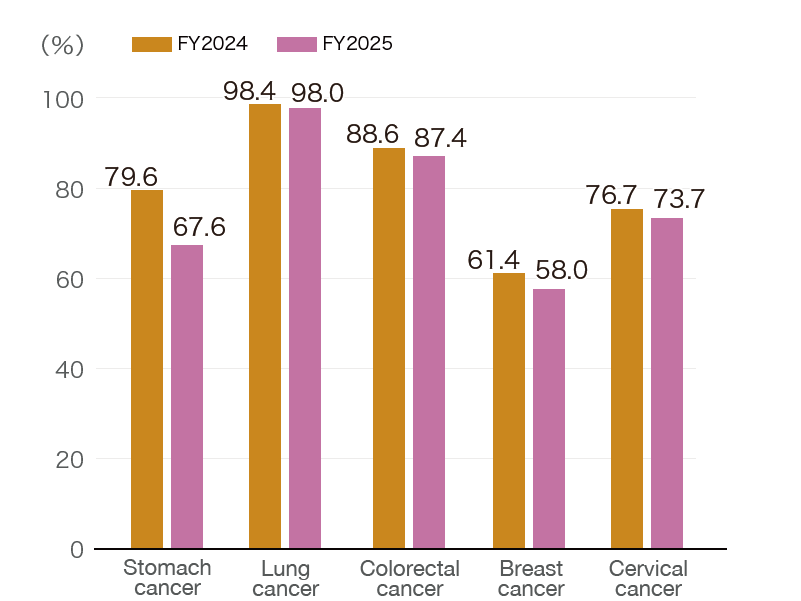
Note: Lung cancer testing tabulated based on the number of people who have had chest X-rays or CT scans
The health insurance association conducts a range of healthcare initiatives.
They hold an annual walking campaign in which wearable devices are linked to the health insurance association’s portal site, allowing participants’ daily step counts to be recorded automatically. Points are awarded when participants reach their step goal during the campaign. Successful participants can exchange the points they collect for products they want. 838 employees participated in fiscal 2025, with approximately 80% achieving the step goal.
We conduct an annual Lifestyle Improvement Campaign (the Yarukoto challenge). Each person sets their own health activities, such as eating breakfast or using the stairs, and inputs their progress in a portal site, an activity that encourages them to change their behavior. 644 employees participated in fiscal 2025, with approximately 80% achieving the step goal.
Furthermore, we conduct group vaccinations against influenza at our offices to prevent the spread of infection within workplaces. The cost of vaccination is subsidized by the health insurance association, and we vaccinated 1,327 people in fiscal 2025.
In fiscal 2025, the Group received certification as an Outstanding Organization of KENKO Investment for Health (White 500) under the Ministry of Economy, Trade and Industry’s Outstanding Organization of KENKO Investment for Health 2026 (large enterprise category) program. This designation is awarded to the top 500 companies with particularly outstanding initiatives in this domain.
Under this framework, companies’ health and productivity management initiatives are evaluated on “Management Philosophy and Policies,” “Organizational Frameworks,” “Implementation of Systems and Measures,” and “Evaluation and Improvement.” The Group exceeded the industry average in all evaluation categories and, in particular, achieved the highest rating both within its industry and across all industries in the “Employee Uptake” (Organizational Frameworks) category.
The Group received Bronze Certification under the “Sports Yell Company 2026” program of the Japan Sports Agency, which recognizes companies that actively support and promote employees’ sporting activities. Bronze Certification is a title awarded to companies that have received Sports Yell Company certification five or more times.
In cooperation with the health insurance association, we continue to hold a walking campaign and health-related events that utilize wearable devices, in an effort to encourage people to adopt exercising as a habit.
Additionally, we have continued with multifaceted efforts to address physical issues stemming from reduced physical activity caused by desk work or working from home, encouraging people to exercise voluntarily through measures such as distributing stretching videos made by in-house massage therapists.

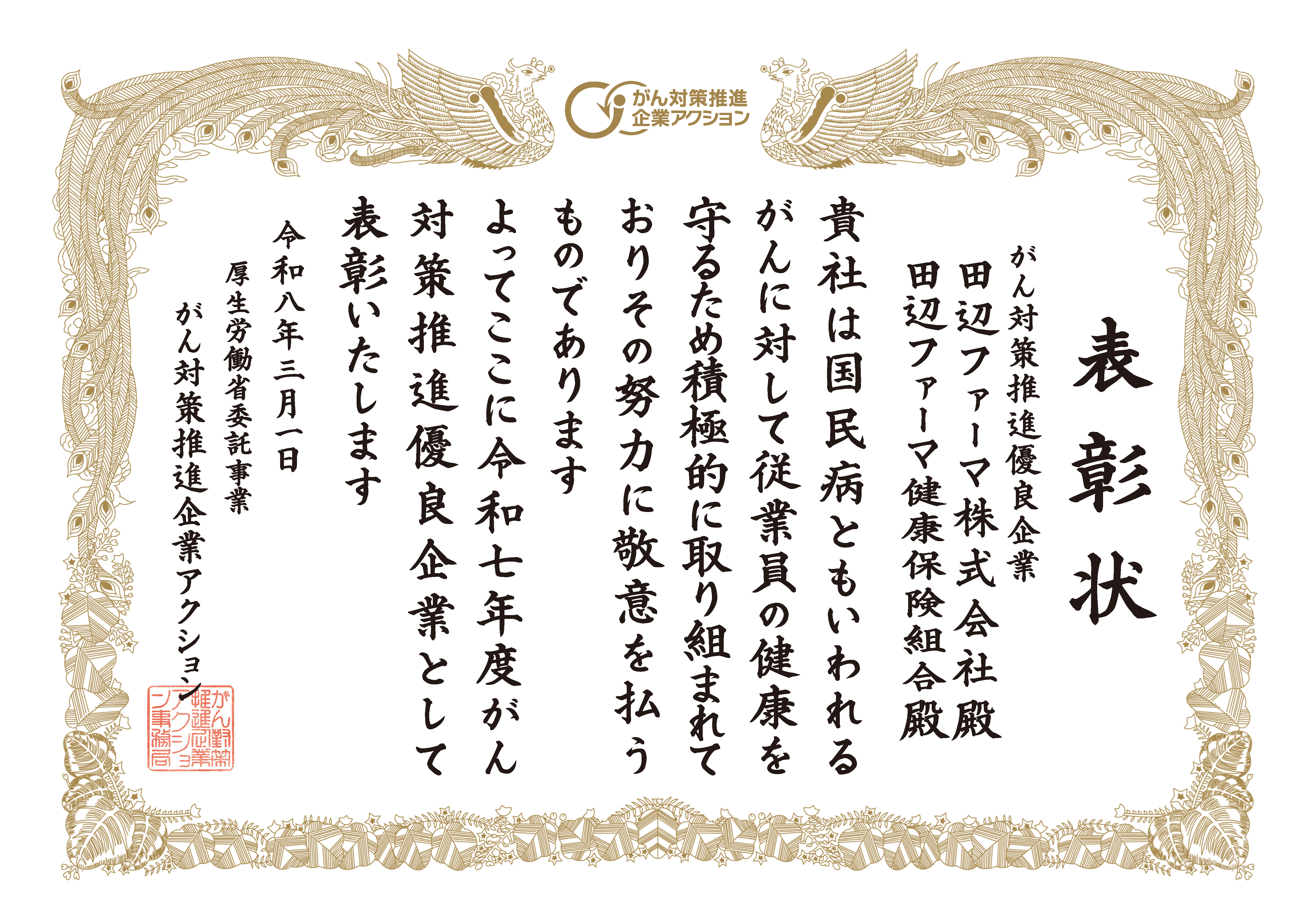
We were selected under the Action Plan for the Promotion of Cancer Control, a project commissioned by the Ministry of Health, Labour and Welfare, for recognition and commendation as a Cancer Control Promotion Excellent Company for the sixth consecutive year in recognition of our cancer prevention efforts on behalf of our employees.
The Group is promoting a range of measures to combat cancer, such as subsidizing fees for comprehensive medical checkups through the health assurance association, encouraging employees to undergo cancer screening by substituting the results of comprehensive health checkups for those of regular health checkups, introducing systems to support a balance between work and medical treatment, providing information to employees, and holding online seminars led by specialist external physicians.
Going forward, we will continue to work to increase the cancer screening rate while promoting an understanding of cancer.